Incredible Which Bank Gives Cheapest Home Loan References. Representative 5.1% apr, based on a loan amount of £10,000, over 5 years, at a fixed annual. Ad buying a new home?
Cheapest home loans above Rs 75 lakh Check out which banks and HFCs from www.financialexpress.com
Apply today and get our betterrate mortgage. Which bank gives the cheapest home loan? Bank of maharashtra is offering the cheapest home loan at the lowest interest.
Incredible Gardner Funeral Home Nj Ideas. This is the cost to purchase a burial vault from the funeral home. User (16/06/2017 00:58) everyone at gardner funeral home, especially todd, debbie & billy were wonderful.
Michael Cianchetti Obituary (1926 2017) Runnemede, NJ Legacy from www.legacy.com
Find gardner funeral home reviews and more. Get direction for gardner funeral home, 126 s black horse pike, runnemede, new jersey, runnemede, nj Find best western hotels & resorts nearby sponsored.
Cool Low Credit Score Home Loans 2022. What youll be getting is called a usda loan, and though there are no credit score requirements,. New credit scores take effect immediately.
Bad Credit Mortgages Best Bad Credit Lenders for 2021 Bad credit from www.pinterest.com
Ad sign up in only 3 minutes. Checking won't hurt your score. No credit card or sin required.
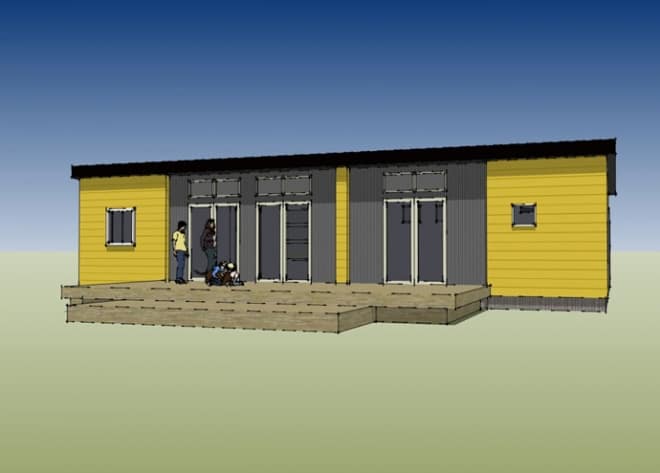
Given the high cost of real estate, modern manufactured homes offer a chance at homeownership for people priced out of the conventional marketplace. Also known as “prefab” or prefabricated homes, manufactured homes are built in factories. Their value will continue to decrease for the full life of the home.
They are also permanent structures, so they qualify for the same type of insurance as stick-built homes. There is no difference between prefabricated homes and modular homes. They are just different names for the same type of home that has been manufactured offsite and then transported into place on site.
Modular Homes vs. Houses Built On-site
The FHA loan program offers low down payments and favorable terms for manufactured homes. But you’ll need to meet the program’s eligibility requirements like credit score, income, and employment history. The HUD has a set of minimum requirements for manufactured homes, but some states have adopted stricter standards than the HUD code. Some builders also exceed the minimum requirements so the clients can have more trust.
You’ll want to make sure that you have all your documents in order before you apply for a manufactured home loan. Check your credit reports before you submit an application, and dispute any mistakes or errors to try and improve your score. Finally, proof of income, tax returns, homeowners insurance, and any other source of funds you’ll use for a down payment round out the list of documents you may need.
How To Get a Manufactured Home Loan
Modular homes must conform to specific rules, guidelines, and building codes that often surpass traditional on-site homes. They tend to be less expensive than traditional stick-built homes. Information and coverage descriptions on this site are general in nature. Nothing on this site alters the terms or conditions of any of our policies.
This means less work for the builder and saved time and money for you. As you can see in the video to the right, panel building is accomplished by laying down the floor and then lowering each section of wall in to place one at a time. When talking about different kinds of homes, there may be some confusion in regards to the terms used to discuss what kind of house is being built. Prefab, Modular, Panel Built, and Manufactured are sometimes mistakenly used interchangeably, but they all mean different things.
Harvard Joint Center for Housing Studies Charts Show Us a Wealth of Housing Data
As the name suggests, modular homes are made up of pre-assembled pieces or ‘modules’ that go together like building blocks. A house is defined as prefabricated if any part of it has been manufactured in advance at a factory before it is shipped to the site. Any home that is primarily constructed in a factory and then assembled on site is considered prefab. The word prefab refers to prefabrication, which means building a house in a factory before it’s assembled at a construction site. If you’ve ever seen an office building go up, you may have marveled at how quickly one floor goes up, and then a second floor seems to grow out of nowhere, and then a third.
Though based on meticulous research, the information we share does not constitute legal or professional advice or forecast, and should not be treated as such. All loan approval decisions and terms are determined by the loan providers at the time of your application with them. We do not warrant that you will be approved for a loan, nor that you will be offered a loan with the same terms presented on our website. Is a type of prefab structure designed to minimize cost and waste. It consists of a steel frame on which the portions of a house can be built. Underneath the structure is an axle so wheels can be placed directly on the home for transportation.
They also typically come with all their hardware already installed. For example, a Title II FHA manufactured home loan is only available for a permanent primary residence built after June 15, 1976. The property must measure 400 square feet or more, and the loan must cover both the property and the land on which it sits. VA and USDA manufactured home loans also require you to either own the land where your home is located or apply for a loan to cover the land and property.
It is also much less expensive to transport a building in panels than in modules if it is large enough. Short for Prefabricated housing, “Prefab” is a broad term that encompasses several different types of building. Technically, any home that has sections of the structure built in a factory and then assembled on site can fall under the “prefab” designation. Manufactured homes are also built to strict code requirements, but they aren’t solidly connected to the ground. This characteristic means they’re not as resistant to severe weather as modular and prefab homes.
The Systems-Built Home: The Evolution of Prefab
They tend to be the most versatile with floor plans and specific requests. Reselling manufactured homes can be harder if they are set up in trailer parks, or the buyer will need to move the home from where it’s currently located. This might be the most significant disadvantage of buying a trailer home. However, using the point of differences above can help you make an informed decision. While existing manufactured homes lose value over time, it’s proven that you’re likely to maintain or gain a substantial amount when selling with better maintenance practice. While many people often mistake prefab and manufactured homes, the discussion below will help you get the difference between the two.
In addition, a manufactured home mortgage that covers the property and the surrounding land will understandably cost more than a loan for just the property itself. ‘As a finished structure on a foundation that adheres to building codes, modular houses exist within the traditional housing market. We’ve called on experts, to help distinguish the difference between manufactured and modular homes so that you can make an informed decision. Some people might be familiar with the term “mobile home,” which is what manufactured homes used to be called. These homes are usually factory-built as well but follow strict guidelines outlined by Housing and Urban Development .
Why More Canadians Choose Modular Prefab Homes
On the other hand, manufactured homes are considered personal property and lose value as soon as it’s driven off the lot, similar to a car. In a nutshell, trailer homes refer to homes built before 1976, while manufactured homes are built after 1976, under strict regulation administered by the U.S. A traditional house usually takes several months to years for completion. Buying materials of exact measurement of a building and further transporting them to the site increases the final construction cost of the house. Understanding the difference, and opting for the more suitable option can help you limit your construction cost, and increase its price and resale value.
Modular homes are also built on a permanent foundation, which gives them a sturdier feel than manufactured homes. And, if you ever want to move your modular home, you can do so—although it will be expensive. So, now that we’ve covered the main differences between modular, prefab, and manufactured homes, let’s talk about the benefits of each.
Today’s modern modular and manufactured home is built for longevity. Congress intended to protect the quality, fire resistance, energy efficiency, durability, safety and affordability of manufactured homes by setting a standard to follow for the industry. It established uniform performance-based construction standards and encouraged cost-effective and innovative construction techniques. HUD also established a program to provide resolution of disputes between consumers, retailers and manufacturers.
Defining a Modular Home
While typical manufactured home mortgage rates are higher than those of conventional mortgages, other financing options are available. Chattel loans are designed for people who want to purchase a home and rent the lot where the home is located. These loans typically feature higher rates but also shorter terms, so you pay off your debt sooner. Similarly, you can purchase a manufactured home with a personal loan, which allows you to finance the home without providing any collateral and usually involves less paperwork. Amodular homeis like a traditional home, placed on a permanent foundation.
Of course, the cost of land and any site work you need will also affect the overall cost of your modular home. We have seen a small house put together in one day, but the average modular home takes about a week to assemble with the help of a knowledgeable team. As a custom builder we can build any size home but generally the average size range is between 1300 and 3500 sq feet. Of course, most container homes are shipped totally bare and have to be finished on site. Another advantage is that it is more cost-effective to ship wall panels than it is to ship entire modular units. Let’s break down the differences between the two so that you can choose the right option for your needs.
Manufactured Homes
The common size terms are single wide, double wide and triple wide. The main difference between a house built on-site versus a modular home is size. Modular homes tend to be larger than traditional stick-frame construction because they’re assembled at a manufacturing facility before being shipped out to their final destination.
The primary difference between modular and manufactured homes is that modular homes are held to the same local, state and regional building codes required for on-site homes. Manufactured homes are held to a federal code set by the Department of Housing and Urban Development and have the ability to move. Prefab homes are traditionally wood framed, but the push toward modern styles and sustainable living has forced the industry to adopt steel-frame construction for some projects. This allows modular and panel built homes a flexibility in design that allows for custom architecture. Although manufactured home prices vary, they still tend to cost less than traditional and stick-built homes. Manufactured homes are built in factories, which means there are no issues with weather delays or losses due to theft or vandalism.
The Cost of Modular Homes: A Look at Actual Building Costs
Financing and insurance for modular homes is no different than a traditional, site-built home, whereas manufactured homes often require RV loans and insurance. Essentially, personal property is movable property and real property is immovable property – land and anything attached to the land. Some lenders do not finance the purchase of manufactured homes because the land on which they sit is generally rented, and the home itself can be moved. Rocket Mortgage® offers conventional loans on manufactured homes that have been affixed and converted to real property. This type of construction can be useful in building houses that don’t work neatly as modules and it can be just as structurally sound as other types of prefabricated building. Commercial prefabricated building is often done this way as it allows for wide open spaces and high ceilings.
Modular homes are built in sections in a factory, then transported to the building site and assembled with the help of a crane. This process is similar to assembling a large piece of IKEA furniture. One detractor of manufactured homes is that they tend to develop more problems than other styles of prefab housing. And actually, it may be a superior option to having a house built entirely on-site the traditional way. In the past the general term for this style was mobile homes but modern manufactured homes have strict building guidelines that overcome the common pitfalls of mobile trailers.
A modular home or mobile home is an affordable housing option built in the factory with all of its parts pre-assembled on-site at your new location. Modular homes are usually constructed by manufacturers who specialize in building these types of houses for mass production. Conventional manufactured home loans function the same way as traditional home loans.
A prefabricated home, or prefab home, is one that’s built in sections in a closed factory or warehouse and then put together where the property will permanently stay. Because prefab homes are built in a controlled environment, it can take significantly less time to build a prefab home compared to a traditional one. Mobile homes or trailers built prior to June 15, 1976, would not likely pass today’s building standards. The manufactured homes we finance must have been built after this date in 1976.
Since the modules have to be transported on the backs of flat-bed trucks over highways, they generally have to be no longer than the truck and no wider than 16’. Homebuyers can finance manufactured homes through a personal property loan, also known as a chattel loan. This type of loan is available from some banks and credit unions.
As such, modular homes tend to be more expensive than manufactured homes. Both modular homes and manufactured homes are home styles that are manufactured either partially or entirely offsite and then delivered to the homeowner’s lot. This method of construction allows the builder to be more efficient in their building process and allows the homes to be more affordable. If you had your heart set on a site-built home but want to take a more cost-conscious and efficient approach, a modular home build might be the way to go. Once they’re assembled, modular homes are essentially the same as site-built homes, sitting on a permanent foundation.
Modular Building
Depending on where you want to live, you may be forced to live further out to purchase land that allows this kind of installation . A prefab home can be separated into three general categories (and each of these categories can have sub-categories as well). The first is a modular home, the second is a manufactured home, and the third is a panel-built home. The process begins when an order is received at the manufacturer’s facility. The company will then begin assembling the modules using their own equipment. Once complete, each module is transported to its final destination, installed onto a foundation.
You can also purchase land from developers who have already built several modular homes and use their plans to create yours. This method typically costs about 10% more than purchasing a ready-to-build model. If you’re looking for a quick fix, then a modular home might make sense because it allows you to get started quickly while still giving you plenty of room to design your dream house later.
Luxury Home for Sale in Gunzenhausen, Bavaria, Germany
The house structure is partially constructed in a factory and shipped to the homeowner’s lot. The construction of a modular home must comply with local building codes and standards in the area where the home will be placed. While prefabricated housing used to be limited to very basic designs, modern building techniques have allowed prefabs to become just easily customizable as site-built homes.
While the push to modernity has forced the industry to adopt steel-frame construction, traditionally, prefab homes are wood-framed. Inspections are meant to ensure prefab homes are as safe as their counterparts, site-built homes. Interestingly, there’s evidence that a well-built modular home is even more sturdy than a similar site-built home. Once the pieces are transported and joined together, these homes look similar to site-built homes. More importantly, these homes must adhere to local and state codes, depending on where the building is located. Modular homes are usually more affordable than traditional homes due to more efficient construction methods.
As such, modular homes tend to be more expensive than manufactured homes. Both modular homes and manufactured homes are home styles that are manufactured either partially or entirely offsite and then delivered to the homeowner’s lot. This method of construction allows the builder to be more efficient in their building process and allows the homes to be more affordable. If you had your heart set on a site-built home but want to take a more cost-conscious and efficient approach, a modular home build might be the way to go. Once they’re assembled, modular homes are essentially the same as site-built homes, sitting on a permanent foundation.
Why More Canadians Choose Modular Prefab Homes
The bottom line of the manufactured homes vs. modular homes contest is the question of which is better. The easiest way to picture it is if you imagine a life-sized set of Lego blocks! The blocks can be arranged in various combinations to produce an infinite set of outcomes, while still using the same blocks. Standards for manufactured homes are set by the federal government, not by state or local jurisdictions. Companies that make them submit to quality control protocols, but there are no in-person inspections – and no way to catch manufacturing defects before they cause problems. Prefab today utilizes the same fundamental methodologies as those early homes described above.
On the flip side, older homes may not hold their value as well as newer homes and may not meet modern energy-efficiency or safety standards. If you own a manufactured home but rent the surrounding land, your monthly rental payments are subject to the whims of your landlord. Manufactured home loan rates are also typically higher than rates for comparable stick-built or traditional homes, which can impact their affordability. Despite these drawbacks, purchasing a manufactured home provides most people with an opportunity to build equity, generate wealth, and pass on property or assets to loved ones. You’ll also find a difference between the two types of home in terms of financing your purchase.
What Is the Average Price of a Prefab Home?
The size of a manufactured home is limited to the size of the trucks used or the size of the load that highways between the factory and final site can bear. There are no wide or tall spaces within the home, and the final product can look quite a bit like a shipping container. You may be wondering what this means, and how it relates to prefabricated homes. Prefab homes are more accessible to build than traditional construction so you can reduce the need for interim financing. There may also be fewer delays due to the shipment of supplies and on-site inspectors to speed the building process along. Prefab homes are similar to site-built homes, only that their construction began in a factory.
As the name suggests, modular homes are made up of pre-assembled pieces or ‘modules’ that go together like building blocks. A house is defined as prefabricated if any part of it has been manufactured in advance at a factory before it is shipped to the site. Any home that is primarily constructed in a factory and then assembled on site is considered prefab. The word prefab refers to prefabrication, which means building a house in a factory before it’s assembled at a construction site. If you’ve ever seen an office building go up, you may have marveled at how quickly one floor goes up, and then a second floor seems to grow out of nowhere, and then a third.
Since your homes are so energy efficient and air tight, how do you get fresh air?
Curiously enough, manufactured homes are not classified as real estate. Instead, they fall into the same personal property category as vehicles. The cost of a manufactured home is determined by several factors, including its size, location, and age. Double-wide manufactured homes cost around twice as much as single-wide homes, homes in urban and suburban areas cost more than rural homes, and newer homes cost more than older homes.
There are many options when considering a purchase of a home, and it can be overwhelming. We think that understanding modular homes vs manufactured homes can help bring clarity to your decision. Both modular and manufactured homes are great options that can provide you with high quality and great value for years to come. A modular home is similar to a traditional home, and it can be difficult to distinguish between one and a typical house built entirely onsite.
The History of Manufactured Homes
Historically speaking, manufactured homes have provided buyers with an affordable alternative to traditional and stick-built homes. If the competition is manufactured homes vs. modular homes, do you know which is better? There are important differences between the two types of home that it pays to be aware of. While regulations pertaining to manufactured homes are crafted at the federal level, each state has its own standards for modular homes. Standards may be lax in some states, so it’s even more vital to select a vendor with a reputation for excellence.
On the other hand, manufactured homes are considered personal property and lose value as soon as it’s driven off the lot, similar to a car. In a nutshell, trailer homes refer to homes built before 1976, while manufactured homes are built after 1976, under strict regulation administered by the U.S. A traditional house usually takes several months to years for completion. Buying materials of exact measurement of a building and further transporting them to the site increases the final construction cost of the house. Understanding the difference, and opting for the more suitable option can help you limit your construction cost, and increase its price and resale value.
On the other hand, if you need an off-the-shelf solution, then manufactured homes would likely work better for you. Once everything is assembled, the structure is ready to move onto its permanent location. Manufacturers usually offer financing options through banks and credit unions. A modular home comprises pre-manufactured components that have been trucked or flown from a manufacturing facility to the building site. These modules include walls, roofs, floors, doors, windows, cabinets, prefab countertops, appliances, etc.
That is why, when you are told a home was a prefab home, you will need to look further into the exact kind of prefab it was. Mobile homes are different than modular homes because they’re designed to move around. Modular homes are usually constructed of concrete blocks and steel frames. Search and find the most sought after Gunzenhausen luxury homes with LuxuryAbode.com - Gunzenhausen.
Should You Buy a Modular Home? The Pros and Cons
Our styles range from a rustic, traditional log cabin look to more modern styles. Manufactured homes can appreciate, but it depends on the location. If you live in an area where manufactured homes are popular, your home is more likely to enjoy a better resale value.
There are different construction methods and standards when it comes to mobile, modular, and manufactured homes. Manufactured homes have also come a long way from the basic single and double-wide days. While newer manufactured homes may not be as customizable as modular homes, they still come in a variety of architectural styles, floor plans, and add-ons that can meet your needs.
The only real differences between them are how they were built and what materials they use. The deciding factor that ultimately determines whether purchasing a manufactured home was a good investment is value. Manufactured homes often cost 50% less per square foot than traditional or stick-built homes. Additionally, newer manufactured homes meet the same energy-efficiency and safety standards as traditional homes while also offering a wide range of amenities and upgrades. Even though prefab homes are a cheaper option themselves, the type of home you want can affect the cost of building.
In order to qualify for ARA, you must currently have a bill of at least $300 and not have used the program for at least five years. The SYNERGY HomeCare of Rockville, Bethesda, and Potomac team has more than 50 years of experience in the home care, senior care, and health care industries. Serving Montgomery County, Maryland, we take pride in having the most rigorous screening and training programs for our caregivers. The AERS program of the Montgomery County Department of Health and Human Services offers evaluation and assistance services for elderly residents of Gaithersburg and surrounding cities. It aims to help seniors live at home for as long as possible.
We Are Comfort Keepers™ Our Family Is Here To Give Comfort To Your Family. Nothing is more important than helping people to live, independent and dignified lives within the comfort of their own homes. Comfort Keepers has been dedicated to providing the kind of non-medical in-home care that helps... Options For Senior America Corp. started providing home care services in late 1989 to the residents of the Washington, DC metropolitan area. What started as a handful of customers grew substantially due to the personal customer service that the company's management has always been keen to...
Senior Connection of Montgomery County
Here at Amaray Care, we offer quality services in the field of nursing and nutritional guidance, as well as geriatric health care management services. We offer these services through a network of healthcare providers on a contract basis. Options for Senior America is a home care services organization established in 1989. It is committed to raising the bar for home care quality on the East Coast and pursues higher standards in its caregiver screening process. The roster of caregivers that Options maintains is highly experienced and highly empathetic to the emotional needs of all seniors in its care. There are hundreds of Options communities across the nation, providing top-notch companionship and homemaking services.
We never contract out our caregivers and all caregivers are thoroughly interviewed and vetted before being hired. BESTCARE is committed to offering you the best home Senior care in Gaithersburg services in the industry. That’s why we make sure that all our home caregivers are responsive to the needs of patients, their families, and the Gaithersburg community. Locally owned and operated since 1999, Comfort Home Care provides top-notch in-home care in the Rockville, MD, area. The trained, insured, and trustworthy staff at Comfort Home Care is ready to serve patients whether they are young or old.
Paying for Home Care in Gaithersburg, MD
Whether you need home health care or seniorcare around the clock, or just need us for a day or two, we’re willing to work with you and your schedules. As a licensed Residential Service Agency by the Maryland Department of Health and Mental Hygiene, Office of Health, BESTCARE wants the best for the Seniorcare Gaithersburg community. It is our goal to employ competent, caring, and well-trained individuals who are responsive to the health needs of our patients, their families, and the communities we serve. We conduct background and reference checks on all our caregivers. We ensure that they have the proper certification before embarking on any home care assignment.
I used Victory Homecare to provide home-care services for my mother last yr. They provided 24hrs care 7 days per week, the workers was amazing, very knowledgeable of the job, attentive and went above and beyond for my mother. The agency staff is very courteous and very responsive they would call once per week to check in with my mother.
Comfi-Kare LLC
Licensing and Bonding for CaregiversIf you're choosing a caregiver for an aging parent or loved one, you've probably heard the advice that your caregiver should be licensed and bonded. Our goal is to exceed our clients expectation and provide ultimate comfort and satisfaction. AAI Caring Hands would like to welcome you on this journey of supportive care, and let you know that your not alone.
We will not discriminate against race, religious beliefs, sexual orientation of either for our clients or our employees. Our services are designed to provide high-quality care while also being cost-efficient. Our clients have the right to review their plan of care, request additional service, refuse, or cancel service at any time. Our caregivers are competent nurses with over 30 years of experience in nursing homes, hospitals, out-patient clinics . Our nurses provide in-home care assistance such as eating, dressing, monitoring vital signs, administering medications, home exercise programs, and other services for our clients as needed or requested. Several other types of senior living arrangements are also available for the people who need them.
FirstLight Home Care
The figures Genworth arrives at assume 44 hours a week in care services. Your own monthly costs are likely to vary based on how many hours of care you actually need. To help you understand the cost of care in Gaithersburg, you can assume an hourly rate for both home care and home health services of $26.13. We provide exceptional and cost-effective family-focus care. Our work culture respects, rewards and motivates its employees. We promote recovery for our patients by providing proactive loving care in the comfort of their own homes.
This guide compares the cost of home care with other types of senior living in Gaithersburg, as well as covering many of the resources available to help you age safely at home. Our clients have the right to request a preferred caregiver, social worker, or home care service at any time. Seniors in Gaithersburg pay around $5,339 for home care and home health care. Home care includes personal care, whereas home health care includes medical assistance provided by nurses and therapists.
Our qualified, in-home caregivers have been helping Montgomery County residents age in place and live a quality life for many years, offering services to both the elderly and disabled. Our primary goal is to deliver quality care, as you would expect for our own families and loved ones. We maintain and improve the lives of every client’s personal and health care needs from the comfort and privacy of their homes. Other cities in Maryland typically cost less than Gaithersburg. In Baltimore, for example, home care costs $4,671 and home health care averages $4,957.
Staff members assist elders through grocery shopping trips, well-being checkups and transportation services. The transportation program is available for destinations inside the county and includes visits to medical appointments, pharmacies, social events, religious services, banks and occasional shopping destinations. Given the high cost of in-home care, many people use one or more forms of financial assistance to cover the expenses. Below, we explain some of the most common sources of financial help for paying for in-home care.
Maryland Weatherization Assistance Program (WAP)
This is expected to increase to over 19% by 2030, when the youngest baby boomers have reached retirement age. AgingCare.com connects families who are caring for aging parents, spouses, or other elderly loved ones with the information and support they need to make informed caregiving decisions. As a result, not only do we create a caring and nurturing environment for our patients, but we also ensure an all-inclusive and non-discriminatory culture in the Seniorcare Gaithersburg community. Our clients have the right to ask questions if they do not understand our services, or why a service is being provided.
Clarify all fees and contract details before signing a contract or finalizing your purchase. Live in or hourly companionship Assistance showering, dressing, skincare and personal hygiene matters and making sure that all safety precautions are followed. They go with me to get groceries and pills, it’s important in my life. You also consent to receive calls and texts, which may be autodialed, from us and our customer communities. A care advisor will contact you shortly to discuss In-Home Care options in your area.